
Art
The Renaissance Beyond the Walls of Rome and Paris – 4 Sites You Shouldn’t Ignore
Lauren Hayden | May 22, 2014
Art
Lauren Hayden | May 22, 2014
Many people primarily associate the Renaissance movement – known for its extraordinary art, innovation, and philosophy – with Italy and Franc e. They do so with good reason, after all, the Renaissance was born in Italy, and the word “Renaissance” stems from the French language, meaning rebirth. Not surprisingly, some of the most popular Renaissance architecture can be found in Italy and France. Architectural design flourished during the Renaissance period as builders experimented with new perspectives, symmetry and ornate décor, but examples of this can be found all over Europe. Here are a few of our favorite Renaissance buildings beyond the walls of Rome and Paris:
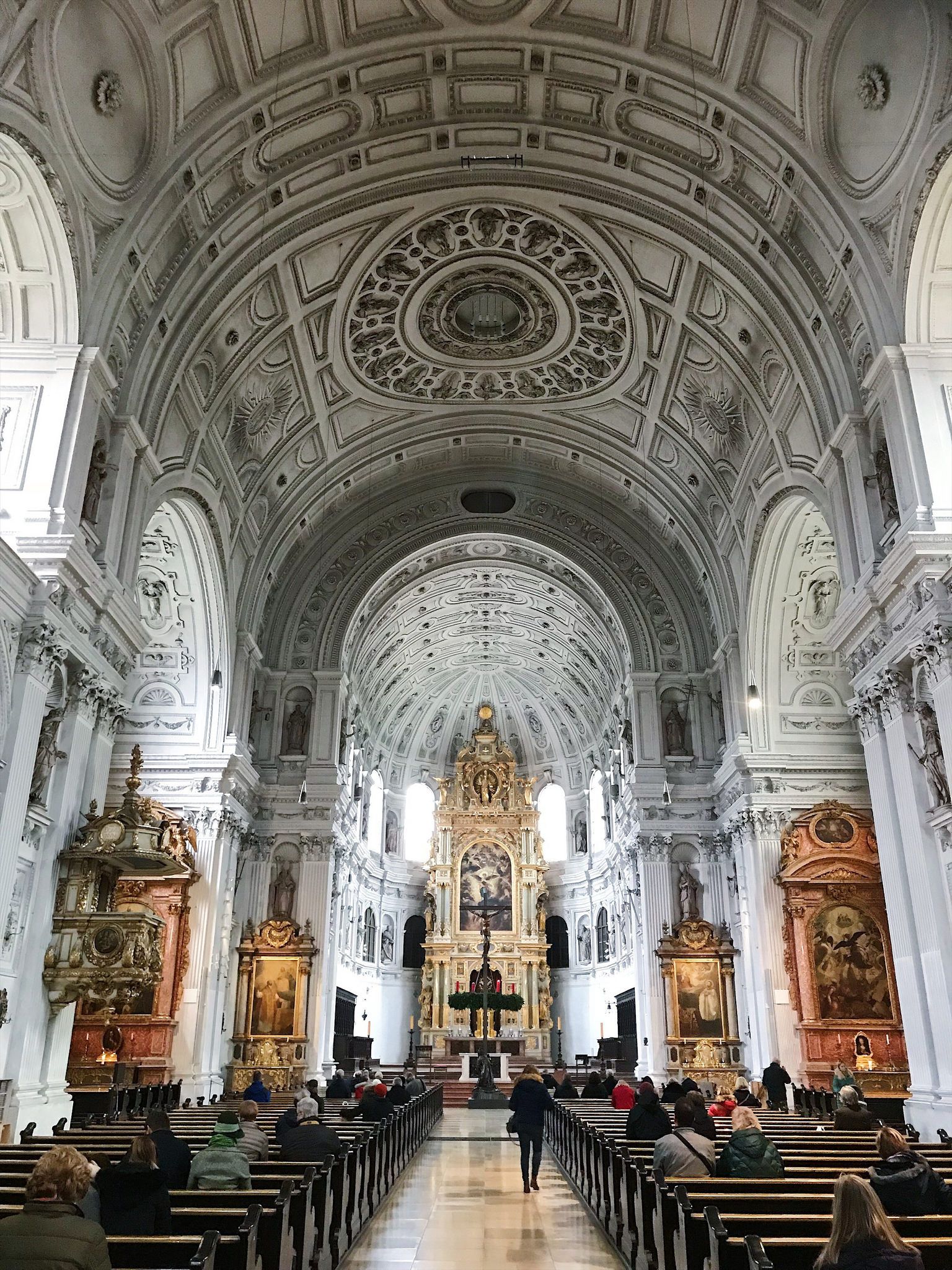
St. Michael’s Church; Munich, Germany
St. Michael’s is a quintessential example of Renaissance architecture. Built in the late 16th century, St. Michael’s is the largest Renaissance church north of the Alps. On the outside, the church showcases bronze statues of Bavarian rulers, arranged symmetrically as a symbol of divinity and perfection. The church’s interior boasts vaulted ceilings with detailed ornamentation that are reminiscent of basilicas in Rome. Oil paintings and sculptures line the walls, integrating impressive Renaissance art into the construction of the building itself.
Westerkerk; Amsterdam, Netherlands
Dutch architects embraced the period’s unique and exquisite style, and in 1620 began constructing what was then the world’s largest Protestant church. This architectural design includes vaulted ceilings and gilded carvings, and the church’s layout resembles a patriarchal cross. In fact, geometric shapes such as crosses, squares with interior courtyards, or H-shapes were popular floor plans in order to emphasize balance and perfect beauty.
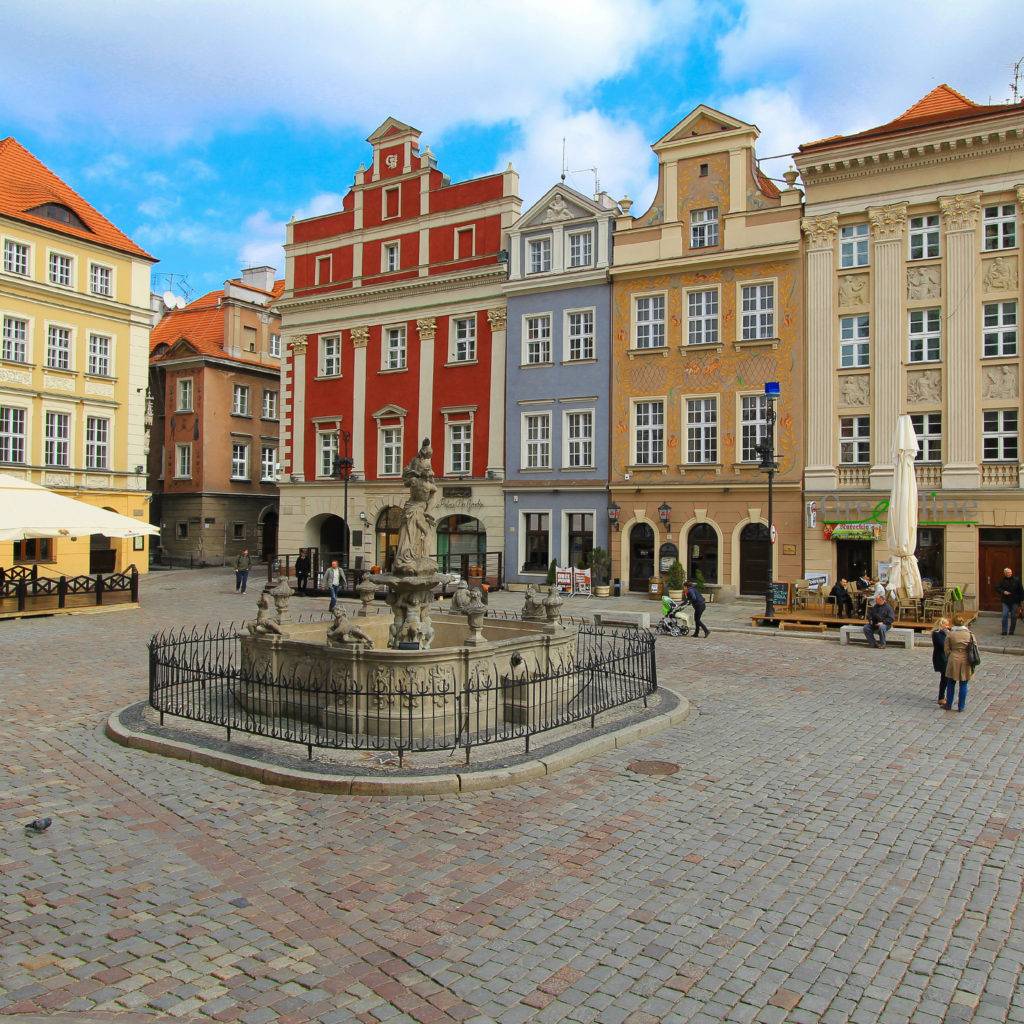
Main Square; Krakow, Poland
Located in the center of the old city, this public space is the largest medieval square in Europe and features architecture from various historical eras. The most prominent building is Cloth Hall, a large building that was rebuilt in the late 16th century as a space for vendors and merchants to sell their products. In true 16th century style, the building’s simple, everyday purpose did not diminish its grandeur. Traditional Renaissance features adorn the building, including several arches and an ornate parapet lined with gargoyles.
Hampton Court Palace; East Molesey, United Kingdom
Renaissance style eventually moved all the way across Europe to England, but with a new British flair. Hampton Court Palace combines the fine precision of the Renaissance with the effortlessness of Tudor style. The palace design includes more straight lines and sharp corners than classical Renaissance, but there is no lack of traditional 16th century features. Vaulted ceilings, arcaded walls, and detailed patterns create a grandiose atmosphere that is uniquely Renaissance.

Lauren Hayden is a Marketing Co-op at EF Education First and EF Explore America.
Explore our unique tour collections that bring learning to life across inspiring destinations.



