
Culture
Exploring the history of Chinese tea ceremonies
Julia Karam | May 4, 2022
Culture
Julia Karam | May 4, 2022
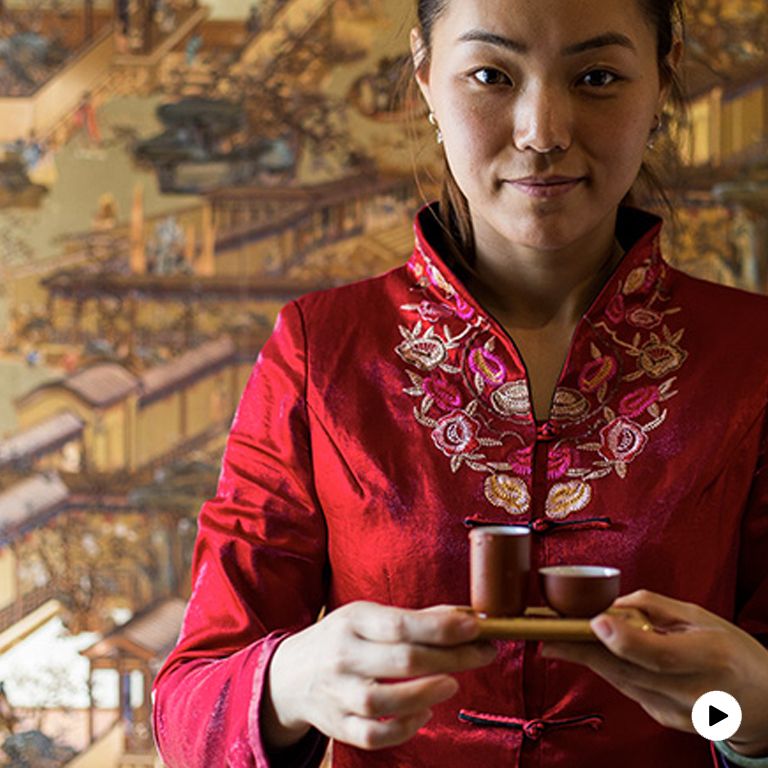
If you’ve ever wanted to see what a traditional Chinese tea ceremony is like, now’s your chance. This video will transport you to a teahouse in China where you can experience this ritual for yourself. After you watch, keep reading below for a little more information on the history of Chinese tea ceremonies.
When you think of China, what do you see? The Great Wall? Dumplings? Temples? Or is it tea? Central to the country’s identity, tea in China is a far cry from the tea bags you use at home. The making and drinking of tea is as elaborate as it is methodical, made with ingredients and movements that are mesmerizing. Whether tea is your morning drink of choice or you’ve never had a sip, you’ll want to participate in a traditional Chinese tea ceremony because there is no experience quite like it. A small step out of your comfort zone, but a full cultural immersion into the past.
The history of Chinese tea ceremonies is fascinating—the origins of tea drinking are so old that no one can seem to pin down an exact date, but legend says that tea has been used in China since 2700 BCE. Buddhist monks drank tea to keep them awake while they meditated, and people also used tea for medicinal purposes until the Tang Dynasty, when tea’s popularity spread wildly and it became an everyday drink.
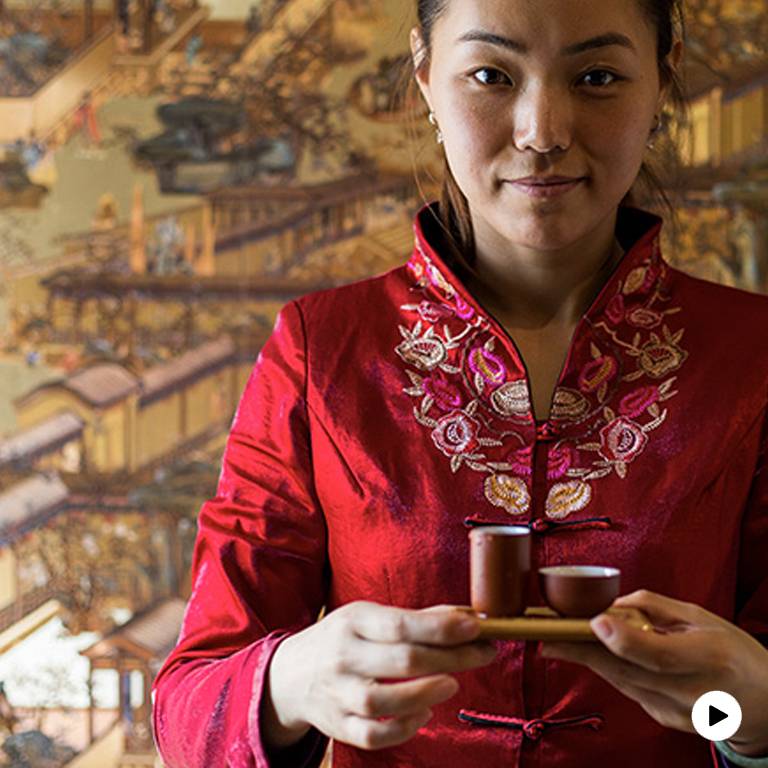
Monks saw tea ceremonies as a representation of humility and respect for nature—Confucianism, Taoism, and Buddhism eventually melding to create the ritualistic nature of traditional Chinese tea ceremonies still practiced today. While the religious connotation has somewhat subsided since tea ceremonies became more social in nature, they remain the same at their core. Steeped—pun intended—in themes of peace, truth, and mindfulness, the traditional Chinese tea ceremony creates a unique opportunity for true appreciation. All your senses are engaged in this process. As you taste the different flavors, you’ll simultaneously inhale the scents from the smelling cup, feel the movement of flipping your cup before you drink it, and watch the precise process demonstrated before you.
During the tea ceremony, you’re supposed to finish your cup in just three sips (it’s small—don’t worry). The first sip is small, the second is large, and the third is meant to enjoy the aftertaste and empty the cup.
As you take each sip, consider the history of Chinese tea ceremonies and the implications of this precise and ancient ritual. Its elements, right down to the taste of the tea, have been replicated for thousands of years, over and over again; yet, the experience still feels one-of-a-kind.
Editor’s note (2022): This piece has been updated for clarity, accuracy, and relevance.
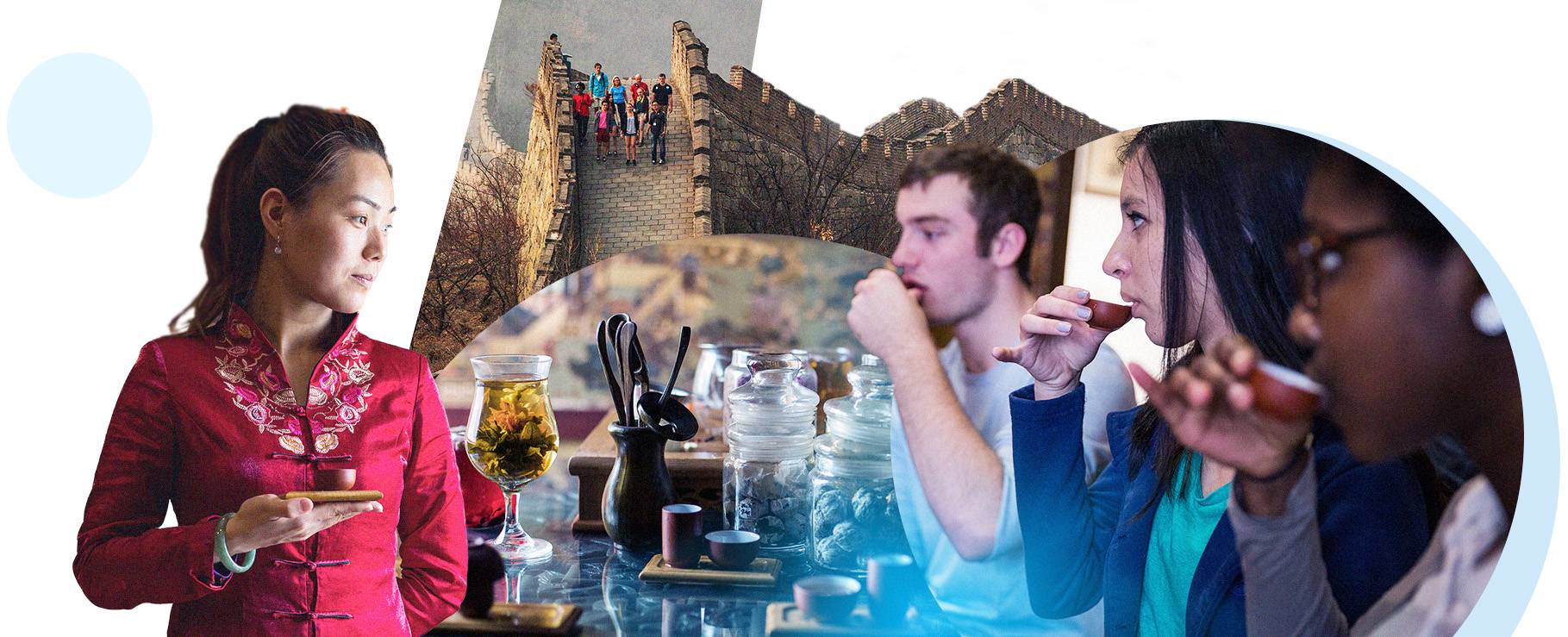

Julia traveled with EF in 2015 and started in a content marketing co-op at EF Tours while in college. She has since studied abroad in Florence, Italy, traveled to 10+ countries, and now works as a Tour Consultant with EF Tours.
Explore our unique tour collections that bring learning to life across inspiring destinations.



